

Play Therapy
Family friendly play therapy sessions for children in West of Melbourne, Williams Landing and Keilor East.
Self-referrals, NDIS-funded Participants and Private Health Insurance ✅
What is Play Therapy?
Play therapy is an evidence-based, specialised therapeutic approach that recognises play as a child’s natural way of communicating, expressing themselves and making sense of their thoughts, feelings and experiences.
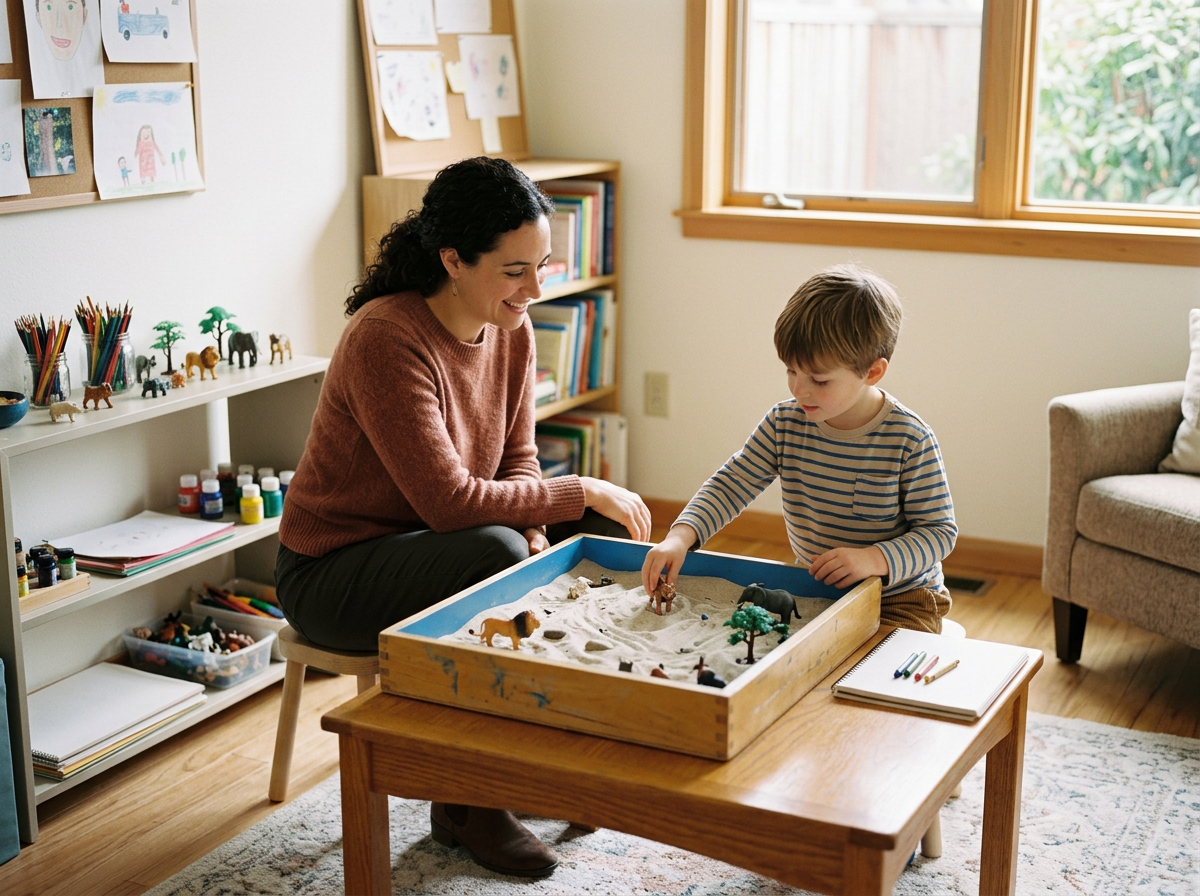
Rather than relying on conversation, play therapy gives children the opportunity to communicate through play in ways that feel natural and comfortable to them. Guided by our therapist trained in play therapy, children can explore toys, art, sand tray and imaginative play within a safe, supportive and non-judgemental environment.
Through play, children can develop greater emotional understanding, build coping skills, work through difficult experiences and strengthen their overall wellbeing and development — at their own pace and in a way that is meaningful to them.
Understanding Play Therapy
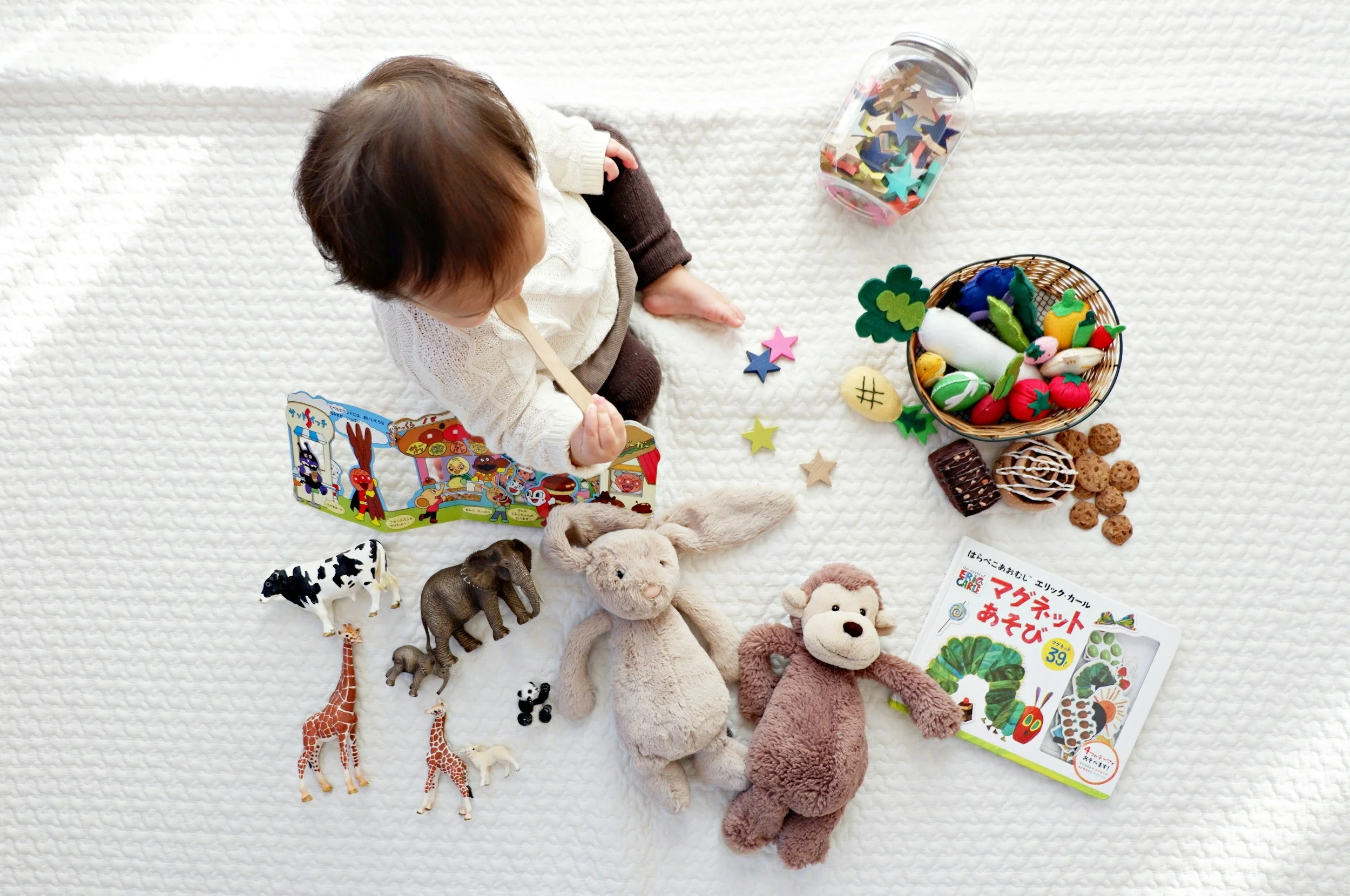
There's a phrase often used in the play therapy field: for children, toys are the words, and play is the language. Young children are still developing the verbal and abstract reasoning skills adults rely on to talk through complex emotions — so asking a five-year-old to "explain how they feel" often asks more of them than they're developmentally ready to give. Play sidesteps that barrier entirely. A child can act out a scary experience through a puppet, rebuild a chaotic moment in a sand tray world, or paint a feeling they don't yet have a word for — all without the pressure of having to say it out loud.
This is what play therapist call symbolic distance: play lets a child approach something overwhelming through a toy, a story or a character, which feels far safer than confronting it directly. Over repeated sessions, this gentle distance is often what allows real emotional processing to happen — the child isn't just playing, they're working through something, even if it doesn't look that way from the outside.
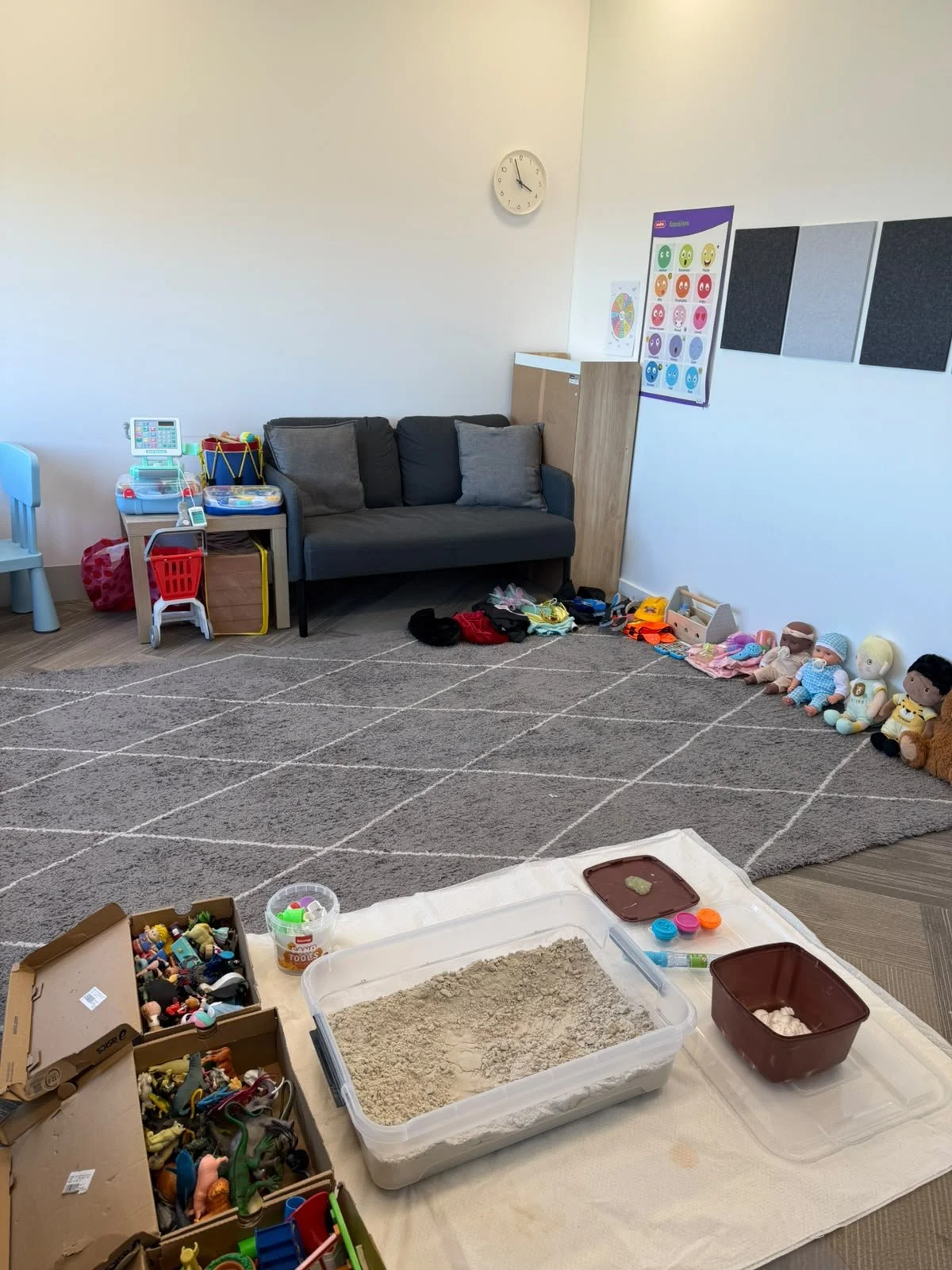
Play therapists use a range of tools depending on what a child needs: sand tray work, where a child builds miniature worlds that can reveal what's happening in their inner one; puppets and dolls, which let a child rehearse and reframe relationships or events through role-play; and art materials, which give feelings a shape and colour before a child has the words for them. This isn't unstructured playtime — it's a recognised therapeutic approach used internationally, and our play therapists complete specialised postgraduate training to work this way safely and effectively
When To Consider Play Therapy for your child?
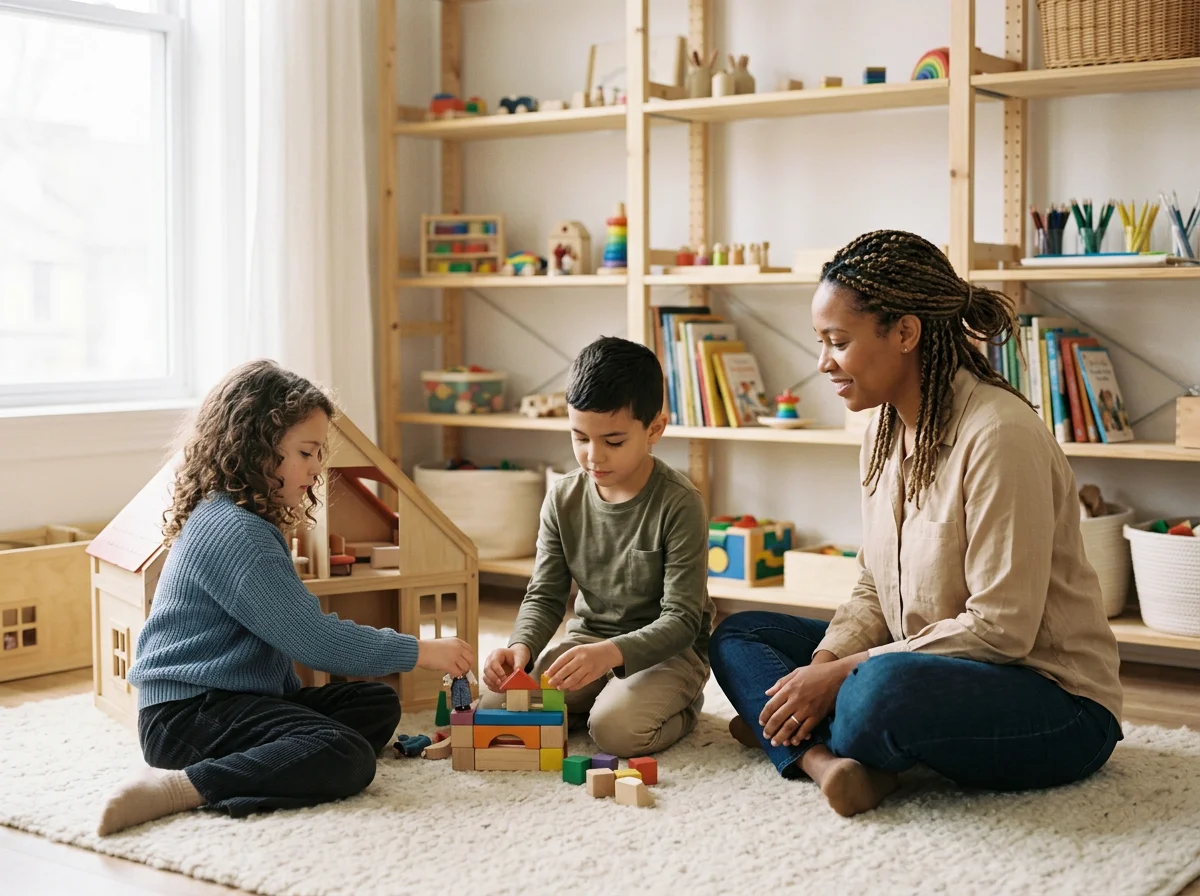
Your child is struggling to express or name how they're feeling
You've noticed a change in behaviour after a big life event — a house move, new sibling, separation, or loss
Concerns about social, emotional or behavioural issues at home or school
Referred by other health professional
Seeking clarity and support for your child

Common Struggles Of Children:
Anxiety
Emotional regulation
Behavioural issues
Big life transitions
Grief and loss
Trauma or distressing experiences
Social difficulties
Low self-esteem
Children who find it hard to talk about feelings directly, including some neurodivergent children
And more
What We Do Differently:
-
Child-Led, Not Directive
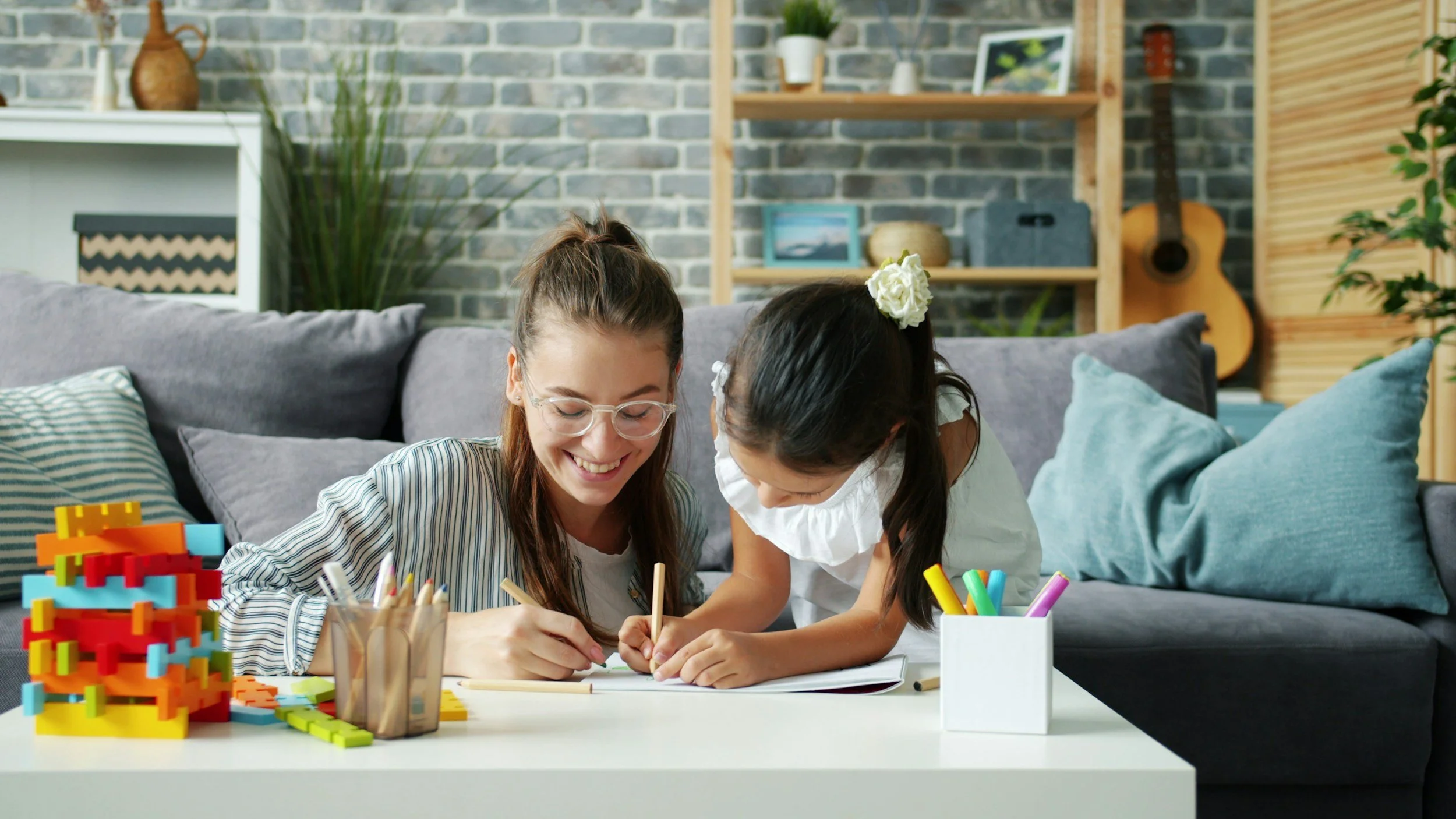
Your child leads the play rather than following a set activity. This is where the therapeutic value lies: the space follows their pace, not a script.
-
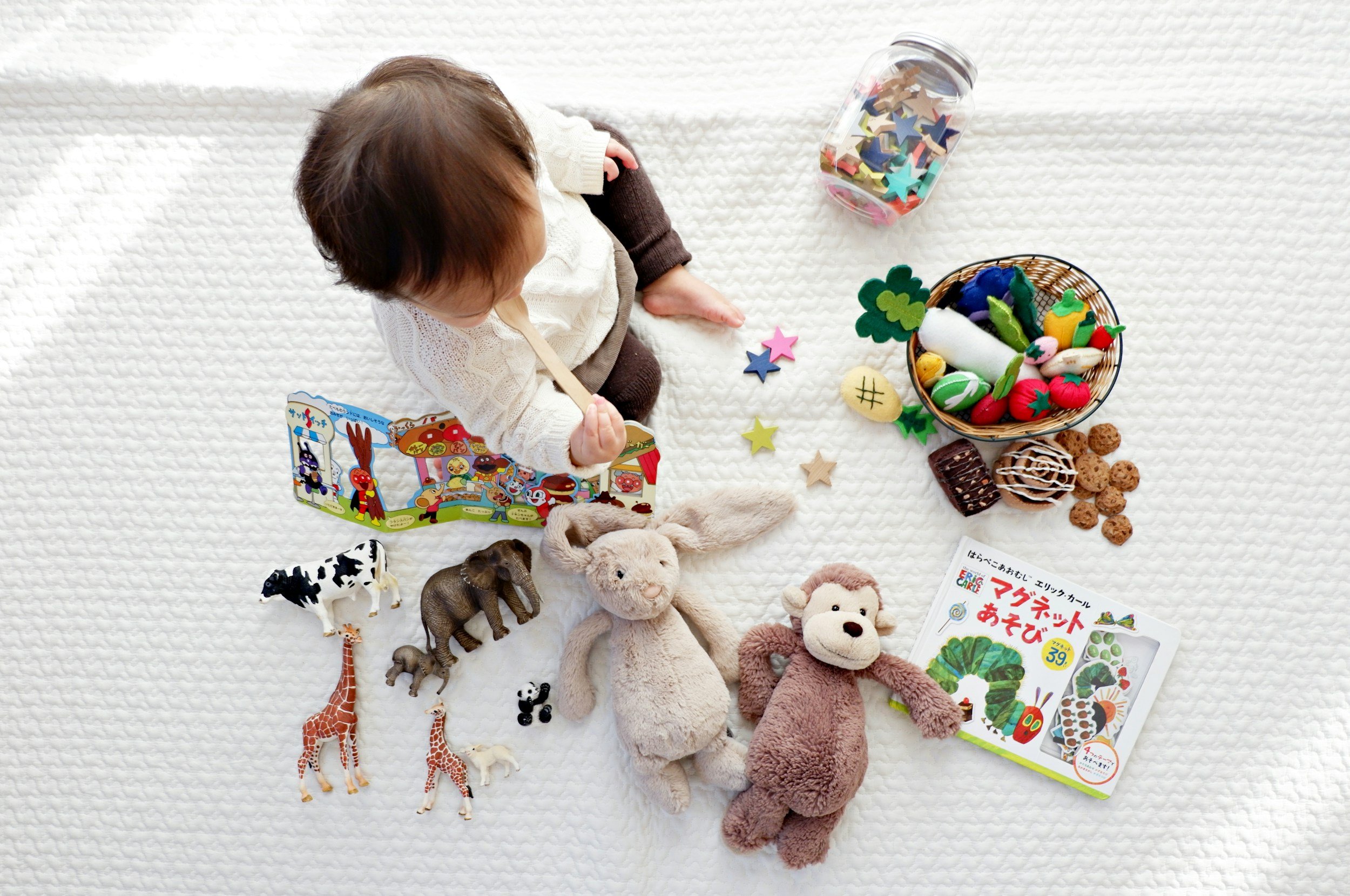
A Safe, Consistent Space
The same warm, predictable environment session to session, so your child feels secure enough to explore what's underneath the surface.
-
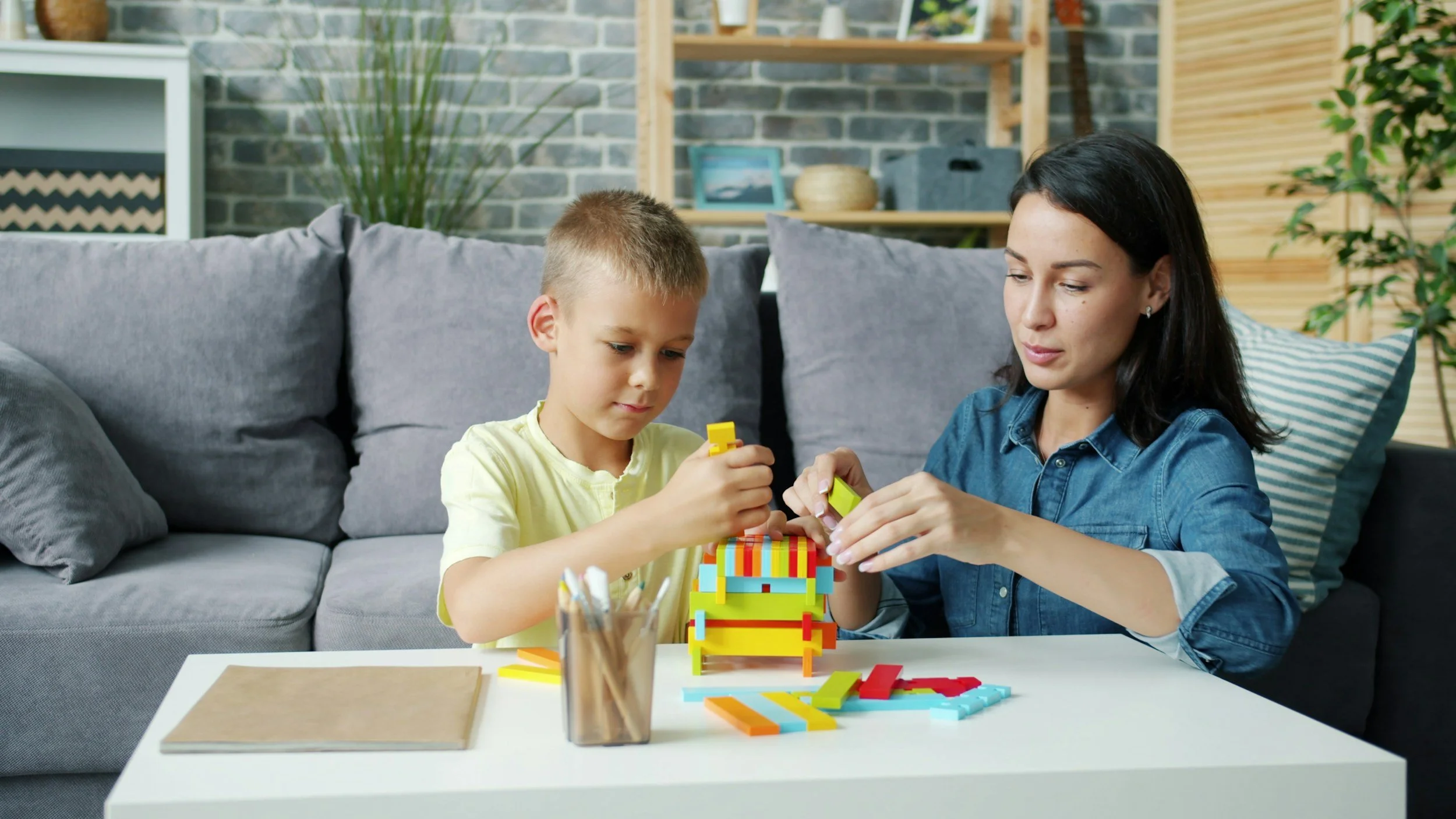
Specialist Play Therapy Training
Delivered by a therapist holding a Master of Play Therapy, bringing focused clinical training in child-led, play-based approaches to every session.
-

Parents as Partners
We check in with parents regularly to share general progress and practical guidance for home, while protecting the trust your child builds in the room.
The Benefits of Play Therapy
-
Learning to Understand and Express Feelings
Through play, children build a vocabulary for emotions they couldn’t previously name, making big feelings feel more manageable.
-
Better Emotional Regulation
Many families notice their child can calm down more easily over time, with meltdowns becoming shorter or less frequent.
-
Increased Confidence
As children work through what’s troubling them, we often see a return of confidence, curiosity and a more settled sense of self.
-
A Stronger Sense of Safety and Trust
A consistent, non-judgemental space helps children feel safe enough to be themselves, both in the therapy room and beyond it.
-
Improved Social Skills
Play therapy can support children in building skills like sharing, taking turns, and understanding how others feel.
-
Processing Difficult Experiences at Their Own Pace
Rather than being asked to talk about something overwhelming, your child works through it in a way that feels safe and developmentally appropriate.
-
A Stronger Parent-Child Relationship
With guidance from your child’s therapist along the way, many parents feel better equipped to support their child at home too.
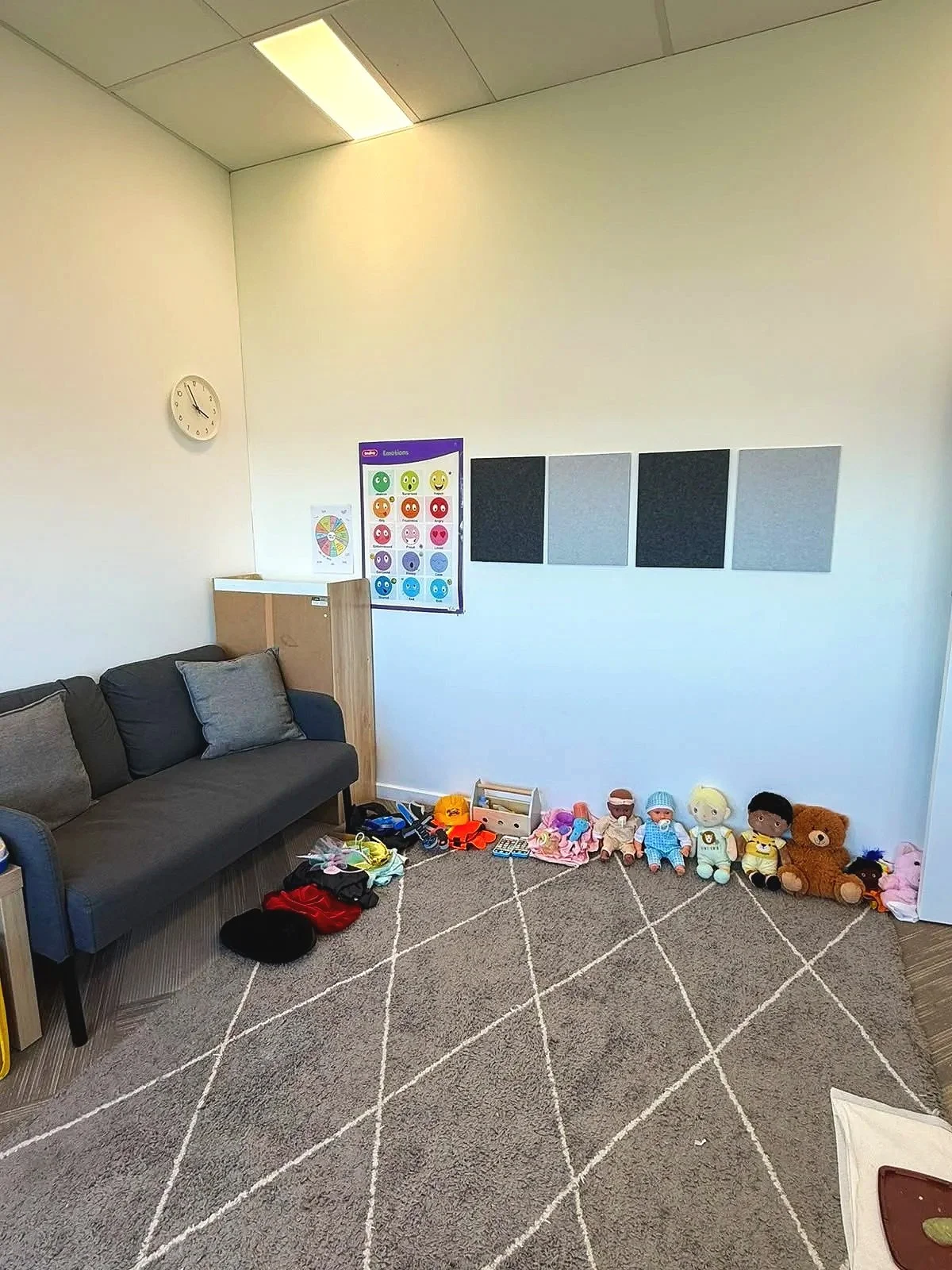
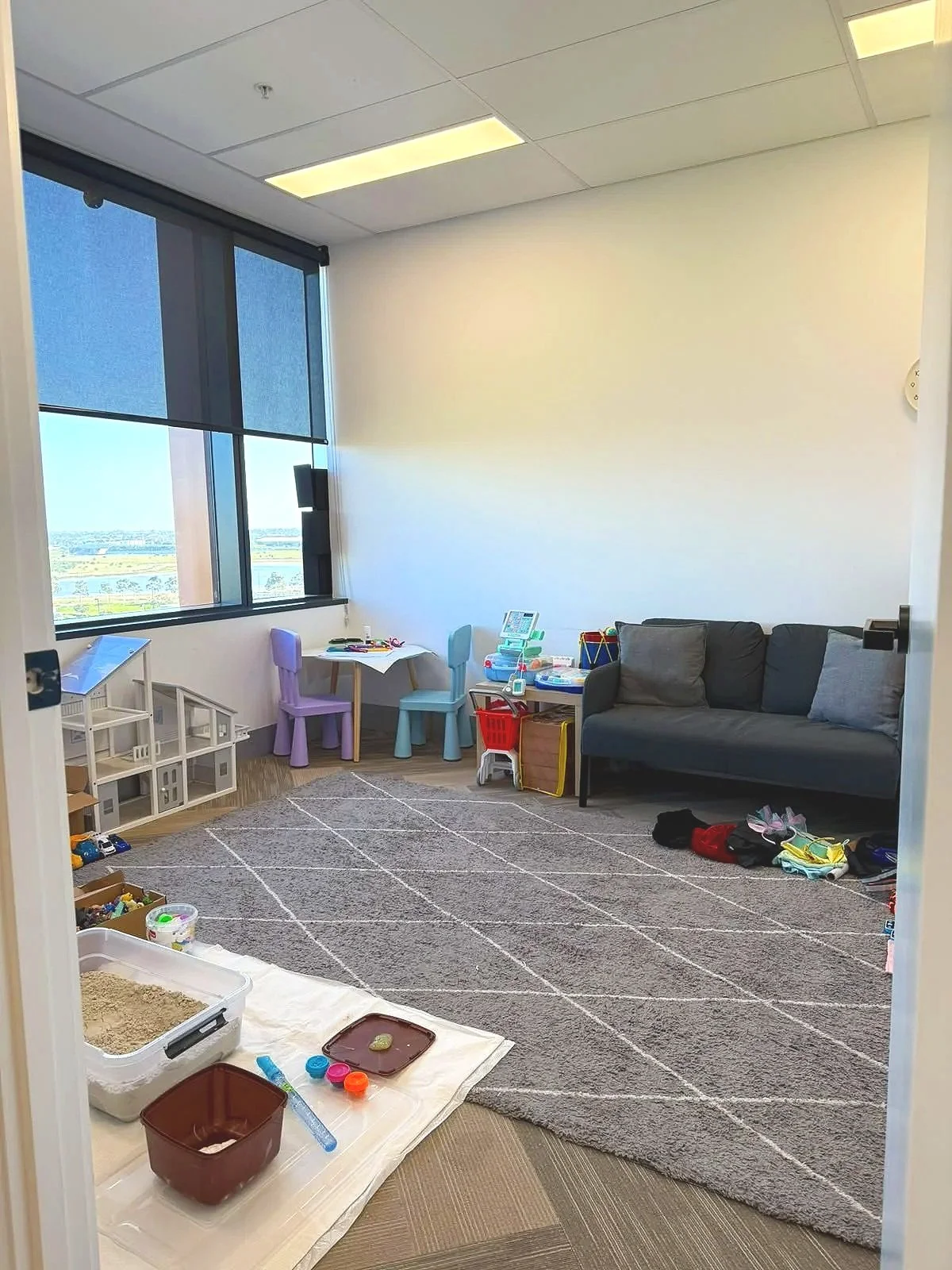
Sneak Peak into one of our play therapy room.
Play Therapy Process
-
Step 1
Initial Consultation:
We get to know your child and what's brought your family to us.
-
Step 2
Building the Relationship:
The first sessions focus on your child feeling safe and comfortable in the space.
-
Step 3
Ongoing Play Therapy Sessions:
Your child leads the therapeutic process, session by session.
-
Step 4
Regular Review:
We check in on progress and adjust the approach as needed.
-
Step 5
Parent Partnership Throughout:
General guidance and check-ins for home, alongside your child's sessions.
Take Your First Step in Booking a Play Therapy Session
If you think your child could benefit from a space to work through big feelings in a way that feels natural to them, we'd love to help. Contact us on 03 9191 3567 or info@positivemindhub.com.au to get started.
We accept NDIS participants, Private Health Insurance, and Self-Referrals